What to learn from what is happening, mixed with what to learn from PL knowledge.
how the feed works
Read the move. Catch the judgment. Learn the bite.
The feed mixes what is happening outside with PL knowledge bites from the Library. One side tells you what to learn from the world; the other tells you what to learn from the shelf.
01what happened
Start from a real company move or a PL learning object.
02PL take
Separate the obvious read from the sharper judgment.
03next move
Open the source, write a Brief, discuss, or practice.
more2
reuters // pricing
ruleplanlimitpaychurnsupport
rule change / 2026-06-13
pricingReutersPricing strategy
original story
India Inc hikes prices, shrinks packs as Iran war squeezes margins
Indian companies like Hindustan Unilever, Dabur, and Godrej have rolled out price hikes but also shrunk product sizes to keep prices within consumer-acceptable thresholds amid rising input costs and inflation. Hindustan Unilever, Dabur, and Godrej rolled out low- to mid-single-digit price hikes Companies are shrinking product sizes to avoid breaching 10- to 20-rupee price points
Anthropic Apologizes for Secret Claude Fable 5 Guardrails After Developer Backlash
Anthropic launched Claude Fable 5 with a secret fallback mechanism that silently downgraded certain queries without notifying users, then reversed course after backlash to make these guardrails visible and notify users. Claude Fable 5 silently downgraded or rerouted queries flagged as AI model distillation attempts without user notification. Anthropic reversed this policy within days, making the guardrails visible and notifying users when fallback to Claude Opus 4.8 occurs.
Companies are cashing in on consumers' unwillingness to bargain shop
Companies have increased price markups on goods and services, with profit margins expanding despite consumer complaints about inflation. Rising incomes and income inequality have reduced overall price sensitivity, allowing firms to charge more without losing demand. Studies show companies have increased price markups above marginal costs over decades. Consumer price sensitivity has declined due to rising incomes and income inequality.
Anthropic walks back policy that could have sabotaged AI researchers using Claude
Anthropic initially degraded Claude Fable 5’s performance invisibly to block competitors from training AI models but reversed after backlash, making safeguards visible to users. Anthropic deployed invisible performance degradation in Claude Fable 5 to sabotage competing AI research (S1). After backlash, Anthropic reversed the policy and made safeguards visible to users (S1).
Leadership judgmentOrganizational designTalent managementProduct team motivationsourcetradeoff
source date / 2026-06-13
leadershipFinance YahooLeadership judgment
original story
Meta’s months-old AI unit is a soul-crushing gulag, say the engineers stuck inside it
Meta created a large Applied AI team by forcibly drafting thousands of employees into tedious AI training tasks, causing widespread morale collapse and internal revolt, as reported by Wired and Business Insider. Meta drafted 6,500 employees into an Applied AI unit with no choice but to join or quit Employees describe the work as 'soul-crushing' and liken the unit to a 'gulag'
We've cut Google enough slack for poor Pixel updates. Now it's time to hold it accountable
Pixel updates have been a mess, causing bugs like reduced battery life, reboot loops, and call failures, while Google focuses on AI features, leading to user trust erosion. Pixel updates caused random reboots, display glitches, sluggish performance, GPS errors, and call failures. Google prioritized AI features like AI-generated icons and automated food delivery over fixing update bugs.
Framework delays its first Laptop 13 Pro shipments by a month
Framework postponed the Laptop 13 Pro shipments from June to July due to an electrical grounding issue in the haptic trackpad PCB requiring a redesign, and a firmware bug in the custom display found during production ramp. Framework delayed first Laptop 13 Pro shipments from June to July due to a grounding issue in the haptic trackpad PCB requiring a new board design. A firmware bug in the custom display was found during production ramp, requiring updated firmware from the display supplier.
Framework Computer delayed the Framework Laptop 13 Pro shipping from June to July to fix electrical bugs in the haptic touchpad and a display panel initialization issue, requiring a new PCB spin and firmware updates. Framework Laptop 13 Pro shipping delayed from June to July Delay caused by electrical bugs in haptic touchpad requiring new PCB spin and firmware update
Delays to defence plan undermine UK credibility, MPs say
The UK Ministry of Defence delayed publishing its Defence Investment Plan beyond the planned autumn release, causing procurement delays and higher costs, which undermines credibility with allies and suppliers. The Defence Investment Plan was delayed from autumn to just before a NATO summit. Delays caused suppliers to raise prices, increasing procurement costs.
Product tradeoff analysisEcosystem impact assessmentRisk and compliance integrationsourcetradeoff
source date / 2026-06-13
productGlassalmanacProduct tradeoff analysis
original story
Apple’s 'Privacy in AI Is Non-Negotiable' Remark Sparks App Store Anxiety
At WWDC 2026, Apple’s Craig Federighi stated that privacy in AI is non-negotiable, causing developers and critics to worry about slower AI feature rollouts and tighter restrictions on third-party apps amid a $250M legal settlement over past delays. Craig Federighi declared 'We believe privacy in AI is non-negotiable' at WWDC 2026 keynote. Apple announced iOS 27 support for iPhone 11+ with AI features but faces a $250M settlement over earlier AI delays.
Apple’s WWDC 2026 privacy declaration disrupts AR app data flows
Craig Federighi’s statement that privacy in AI is non-negotiable at WWDC 2026 reframes how AR apps handle camera and image data, enforcing on-device processing and limiting cross-app context. This forces developers to redesign pipelines and consent flows, impacting AR feature delivery. Craig Federighi stated 'We Believe Privacy In AI Is Non-Negotiable' at WWDC 2026, signaling platform-level enforcement of privacy. Apple announced iOS 27 with 70% faster photo loading but imposed new limits on cross-app context affecting AR apps.
States like New York and Connecticut passed laws regulating AI use of personal data for individualized pricing, with New York banning personalized price increases outright and Maryland allowing discounts. This regulatory patchwork reflects competing views on consumer protection versus business flexibility. New York passed the One Fair Price Act banning AI-driven personalized price increases based on personal data. Maryland’s law allows personalized discounts but bans personalized price hikes.
AI Coding Adoption Hits 97% but Governance Lags Behind
Nearly all software teams use AI coding assistants but only a minority govern their use, causing security and quality bottlenecks that cap productivity gains. 97% of software teams use AI coding assistants but only 30% have formal governance Teams with full governance report 90% major efficiency gains versus 58% overall
Researchers found a way to manipulate Apple Intelligence with hidden prompts, raising new questions about on-device AI safety
RSAC Research showed a 76% success rate in prompt injection attacks on Apple Intelligence's on-device AI, using adversarial prompts and Unicode tricks. Apple responded by hardening protections in iOS 26.4 and macOS 26.4. The attack vector involves crafted text inputs that can manipulate AI behavior without physical device access. Researchers with RSAC Research found a 76% success rate in manipulating Apple Intelligence using prompt injection and Unicode tricks. Apple hardened protections in iOS 26.4 and macOS 26.4 after receiving the research disclosure.
Manufacturers face operational blind spots after products leave the factory, causing costly recalls, counterfeit risks, and warranty fraud. Deploying serialization and QR-based verification as core operational infrastructure enables precise traceability and accountability across the supply chain. Manufacturers currently lack product-level verification after products leave the factory, causing recall, counterfeit, and warranty fraud issues. Serialization, QR-based verification, and scan-driven product registration are deployable at scale with minimal disruption.
Apple Tests Four Frame Designs; Release Pushed To Late 2027
Apple pushed the smart glasses launch to late 2027 and is testing four distinct frame styles, shifting from a display-first Vision Pro era to lighter, camera-enabled glasses focused on wearability, which impacts competitors and retail plans. Apple delayed smart glasses launch to late 2027 from an earlier 2026 target (S1) Apple is testing four distinct frame styles to prioritize everyday wearability (S1)
Datadog veterans launch AI coding startup Niteshift on a bet against Big AI lock-in
Niteshift raised $7 million seed led by Greylock to build an AI coding cloud platform that routes between multiple AI models including GPT and Claude Code, aiming to reduce dependence on any single AI model vendor and avoid lock-in. Niteshift raised $7 million seed led by Greylock to build an AI coding cloud platform. The platform routes between GPT, Claude Code, and open-source models to reduce dependence on any single AI model vendor.
Apple says it may remove apps from the App Store if they don’t attract users
Apple updated its App Review Guidelines to remove apps in saturated categories that are not updated, improved, or attracting users, including fart, burp, flashlight, dating, wallpaper, and timer apps. Apple updated App Review Guidelines to remove apps not updated, improved, or attracting users in well-established categories. Categories targeted include fart, burp, flashlight, dating, wallpaper, simple timers, and sound effects apps.
Everybody Is Vibe Coding But Nobody Told the Security Team
Rapid AI-assisted development is widespread, with many non-developers building and deploying apps on platforms like Replit without IT or security involvement, leading to serious security exposures and operational risks. 84% of developers globally use or plan to use AI coding tools; 51% use them daily 45% of AI-generated code contains OWASP Top 10 vulnerabilities
Shadow AI is Exposing the Same Governance Failures Cybersecurity Teams Have Ignored For Years
Employees adopt unauthorized AI tools to reduce friction and improve productivity, exposing governance gaps. Restrictive policies fail because they ignore operational realities, driving shadow AI further underground. Effective governance embeds controls into workflows and offers approved alternatives. Employees use unapproved AI tools frequently to speed up work despite governance policies. Restrictive AI governance policies often push AI usage further outside organizational visibility.
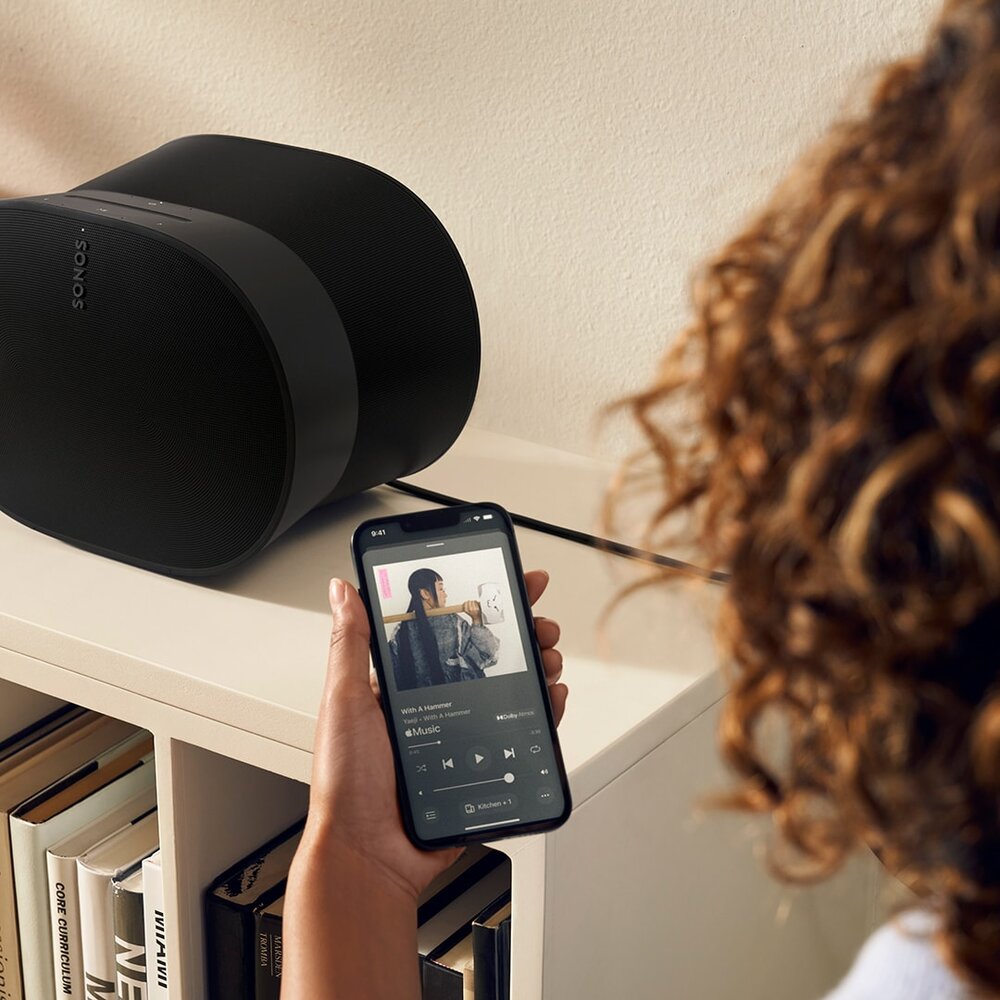
Sonos said the new app would make listening easier.
The launch promise was clear: one customizable Home screen, faster access to content, and system controls just a swipe away. This was framed as modernization, not a risky reset.
GPT-4o made the product feel emotionally present. Then OpenAI paused Sky while the public question shifted from capability to likeness, consent, and how human an AI product is allowed to feel.
AI Overviews reached a high-trust search surface, then strange public examples made the product story about whether the answer box had earned its confidence.
Spotify ended the product after customers had bought it.
Car Thing had already been discontinued as a business. The sharper story came later: Spotify said paid devices would stop working, turning a hardware exit into a trust event.
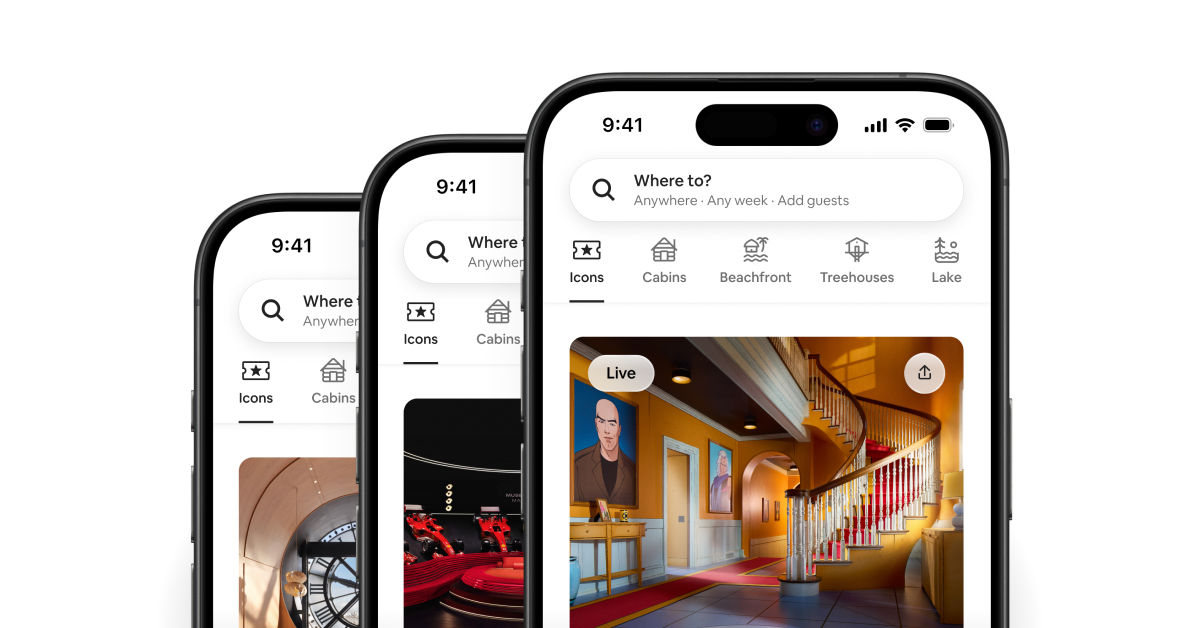
Icons turned celebrity, film, music, and cultural moments into limited stays and experiences. It looked like marketing, but the move put brand desire inside the marketplace inventory.
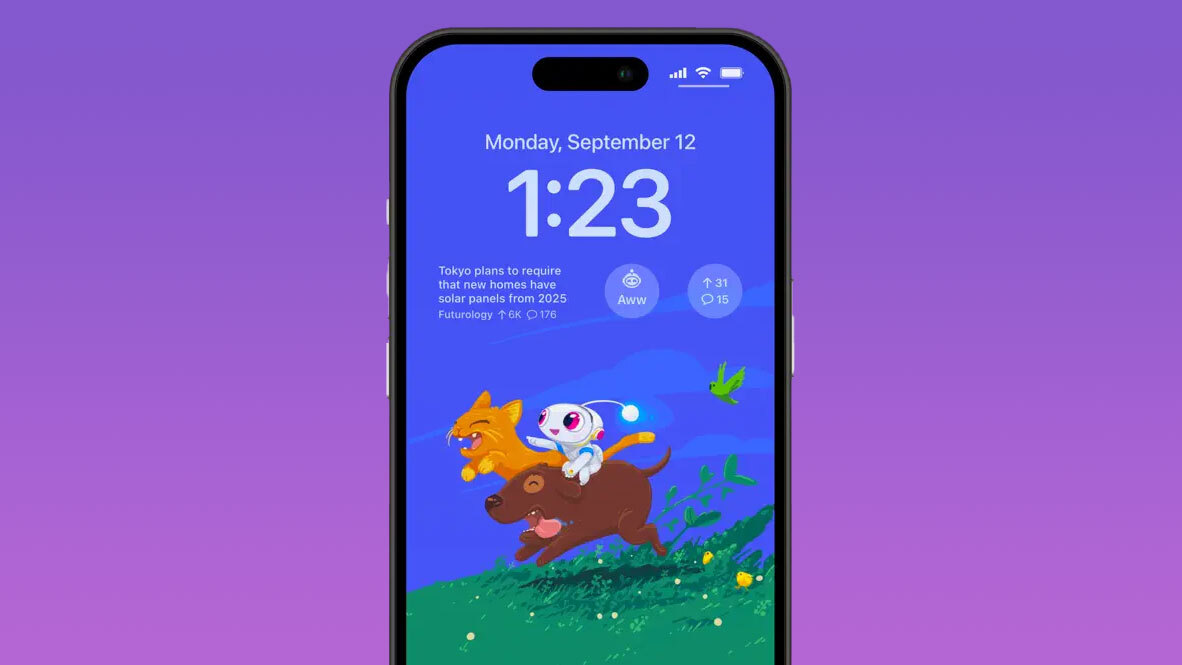
Reddit changed API pricing and Apollo could not survive it.
The business needed to capture platform value before IPO. The product consequence was that a loved third-party client and the ecosystem around it learned the partnership terms had changed.
Threads opened a door to the fediverse without giving up the house.
Meta expanded Threads sharing into decentralized social servers. The move signaled openness while keeping the core graph, product defaults, and mainstream UX inside Threads.
Video Call with Lily gave Max subscribers a way to practice conversation inside an existing habit loop. The important part was not AI in general. It was where the AI landed.
Netflix turned tolerated sharing into a paid rule.
Password sharing moved from informal behavior to an enforceable household model. The unpopular part was obvious. The product craft was making the new rule legible enough to survive anger.
Apple delayed Siri because the architecture could not carry the promise.
Personalized Siri was supposed to show Apple Intelligence inside the platform. Apple delayed it while reworking the architecture needed to meet the quality bar users associate with Apple.